
Publication – Manufacturing Today
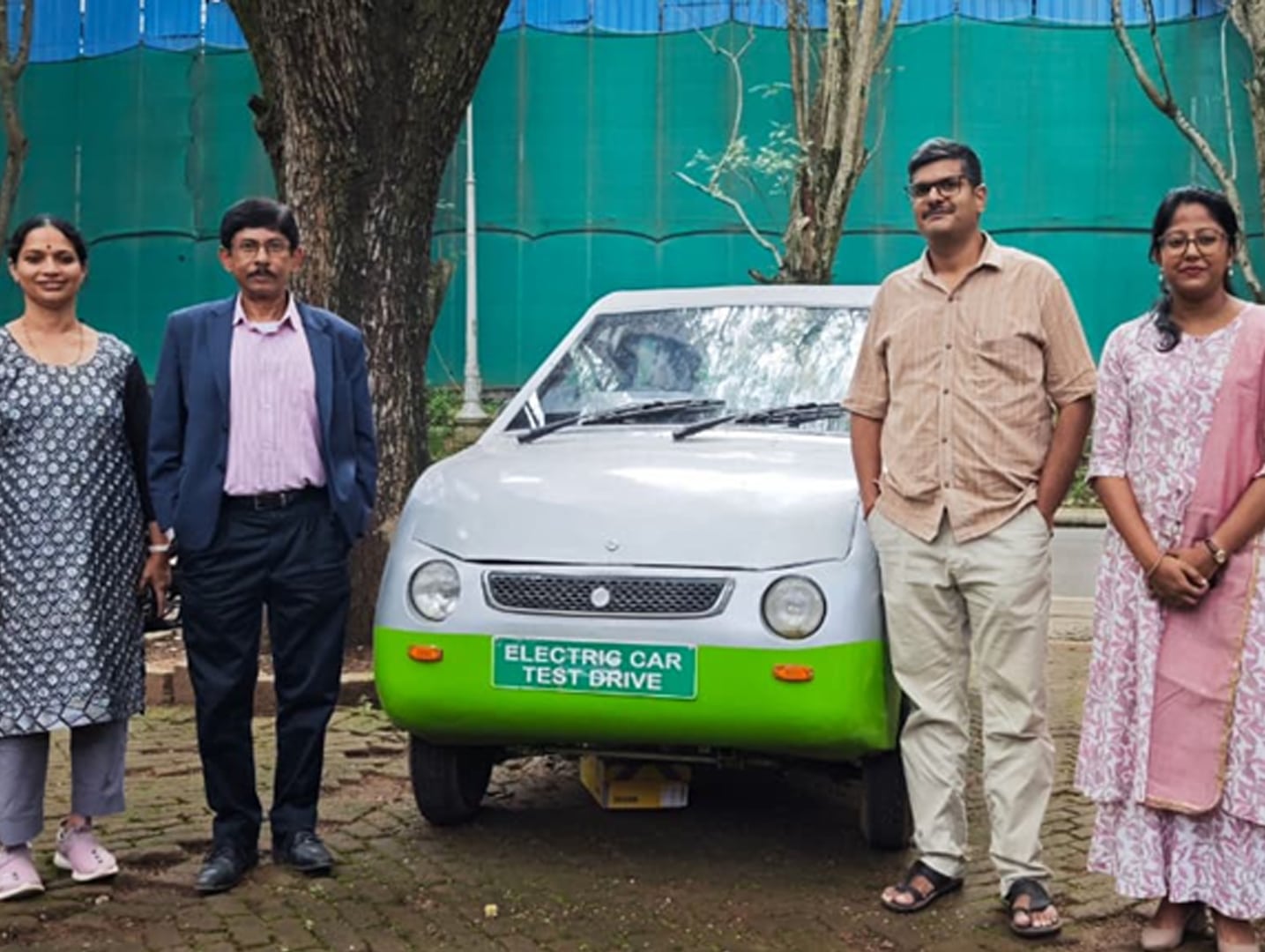
The Pravriddhi accelerator at Indian Institute of Science (IISc) proposes co-development and localisation of EV technologies to reduce imports and boost India’s manufacturing value chain.
India’s electric-mobility market is on track for steep growth, yet about two-thirds of the components in an electric vehicle—ranging from batteries and motors to power electronics—are still imported. The Pravriddhi programme, led by the Foundation for Science, Innovation & Development (FSID) at the Indian Institute of Science, estimates that addressing this gap could open up approximately ₹ 1 lakh crore in opportunity for domestic manufacturers and MSMEs.
The accelerator seeks to convert deep-R&D capability into commercially scalable manufacturing by promoting localisation, technology co-development, and skill building across the value chain. This was highlighted during a national webinar titled “EV Syntropy: Bringing Together Academia, Industry & Government to Unlock Manufacturing Opportunities,” which gathered policy makers, researchers and industry executives.

Speakers such as Manoj Desai (Deputy Director, Automotive Research Association of India – ARAI), Prof. Anindya Deb (Dept. of Design & Manufacturing, IISc), Akshaye Barbuddhe (Director, Impactware Technologies – GoEco) and Yogesh Pandit (Director, Product Acceleration, FSID) emphasised that India’s next EV growth phase relies on localisation of key systems and innovative manufacturing.
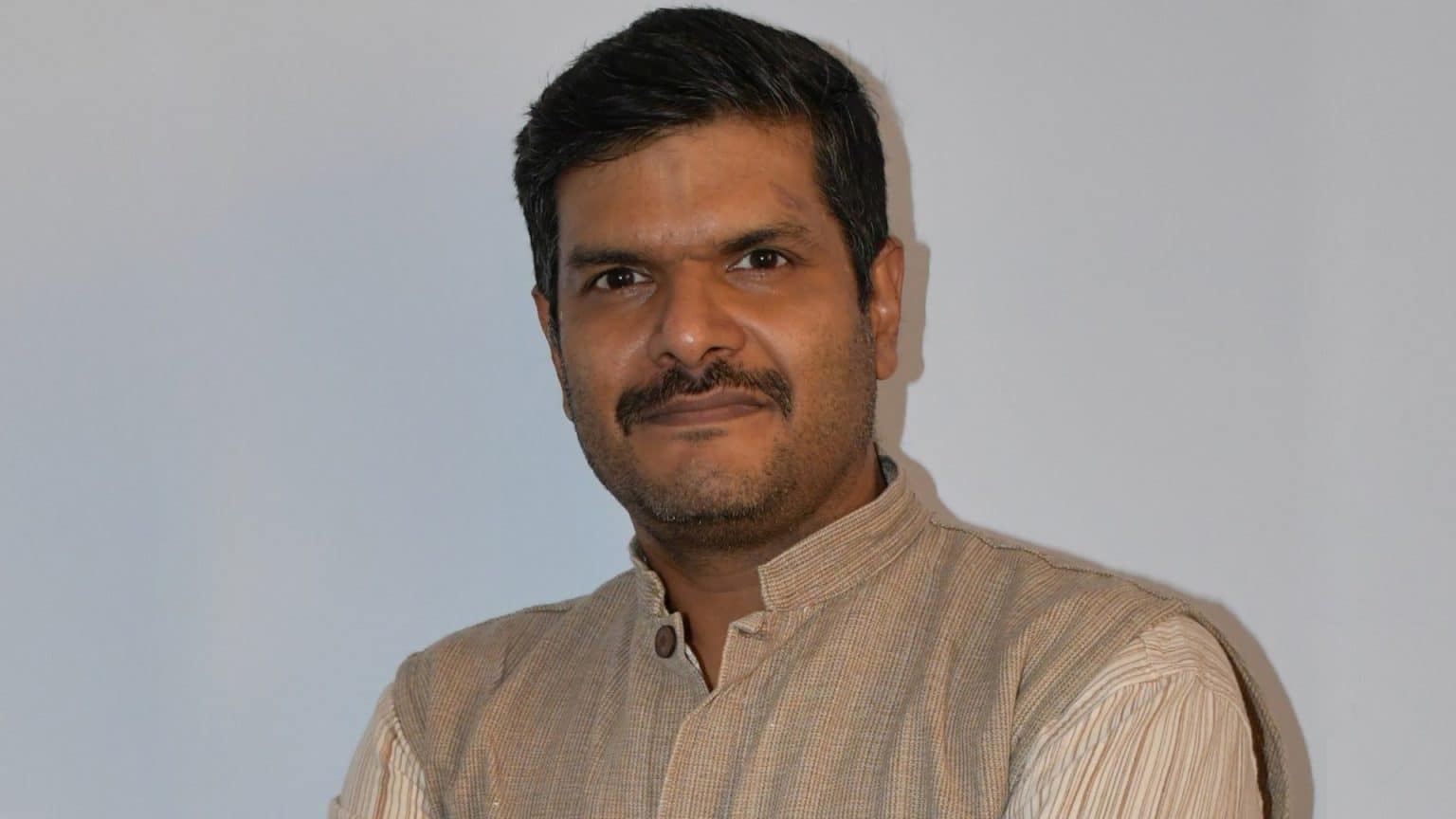
Pandit remarked, “Nearly two-thirds of an EV’s bill of materials comes from imports. Pravriddhi enables academia, regulators and manufacturers to co-develop technologies designed, tested and built in India. By converting indigenous innovation into scalable products we can both reduce import dependence and establish India as a global supplier of EV technologies by 2035.”
ARAI’s Desai underscored the regulatory support for innovation and localisation. He noted that sandbox testing environments and satellite centres are enabling startups and MSMEs to pursue component-level manufacturing at lower cost.
Prof. Deb stressed the shift from adoption to original innovation: “Global competitiveness will come only from investing in next-gen materials, lightweight architectures and design-led manufacturing.”
From the industry vantage point, Barbuddhe pointed out that power-electronics manufacturing presents India’s biggest value-creation opportunity within EV systems. “India still imports high-value components such as switchgear and DC charging systems,” he noted. The growth of IoT-enabled charging networks and smart-energy systems also offers new channels for MSMEs and regional suppliers.
Pandit concluded by identifying three structural gaps India must close: mindset, risk capital and skills. “Between now and Viksit Bharat 2047, India must scale its R&D bets, channel patient capital into technology and build advanced manufacturing skills.”
For manufacturing-sector leaders, the message is clear,”localisation is not just about cost reduction—it is about building an export-capable ecosystem, positioning India as a global manufacturing hub in the EV era.”